
If you’ve been scrolling headlines this week, you’ve probably seen something about an “investor ban stopping investors from buying homes” passing the Senate. If you’re a real estate investor, your stomach may have dropped a little.
Let’s clarify what’s happening and why most individual investors aren’t directly affected.
What Just Happened?
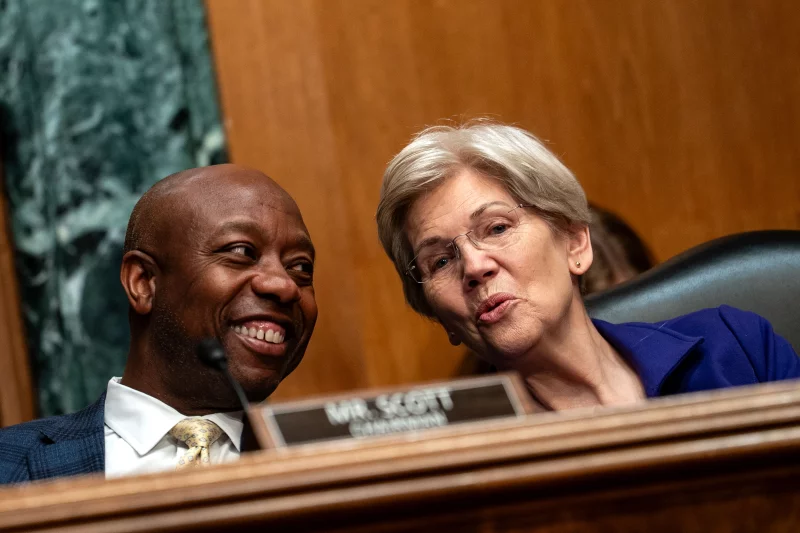
On March 12, 2026, the U.S. Senate passed the 21st Century ROAD to Housing Act with a sweeping bipartisan vote of 89-10. This is the largest housing affordability bill in roughly 30 years. The bill is co-led by Sen. Tim Scott (R-SC) and Sen. Elizabeth Warren (D-MA), and it has the backing of President Trump, who has been vocal about keeping large corporations out of the single-family home market.
The legislation contains over 40 provisions aimed at boosting housing supply, cutting regulatory red tape, expanding manufactured housing options, and, yes, limiting certain investors from purchasing single-family homes.
But here’s the part the headlines tend to gloss over: the restrictions are aimed squarely at institutional giants, not everyday real estate investors.
Who Does the Investor Ban Actually Target?
The Senate bill sets the threshold at investors who own 350 or more single-family homes. If you own fewer than 350 properties, this ban does not apply to you.
To put that in perspective: investors who own more than 100 properties represent less than 1% of the total housing market nationwide. The ban is designed to rein in Wall Street-level players — private equity firms, massive REITs, and hedge funds that have been buying up neighborhoods at scale.
Individual investors, small portfolio holders, and the kinds of real estate entrepreneurs Fox & Owl works with every day? You’re not who this bill is talking about.
What About Build-to-Rent and New Construction?
This is where it gets a little more nuanced, and it’s worth paying attention to if you’re active in development or new construction.
The Senate bill does allow large institutional investors to continue building new homes and rehabilitating existing ones — but with a catch. If they build or renovate single-family properties, they’d be required to sell those homes to individual (non-corporate) buyers after seven years.
Industry groups like the National Association of Home Builders have pushed back on this provision, arguing it could eliminate build-to-rent housing and reduce the overall rental inventory available to lower- and middle-income families. That debate is very much ongoing.
If you’re working in the build-to-rent space at a smaller scale, keep an eye on how this shakes out in the final version. But at the 350-home threshold, the provision only directly affects the largest players.
Will This Even Become Law?
Here’s the honest answer: not necessarily in its current form.
While the Senate passed this investor ban bill with strong momentum, the House passed its own housing bill back in February — and the two versions differ significantly. The Senate’s investor ban threshold and the seven-year sell requirement were absent from the House version, and House Majority Leader Steve Scalise has already signaled that the bills will need to be reconciled before the House takes up the Senate version.
That negotiation process could soften the investor provisions, remove them entirely, or result in an adjusted threshold. The bill still has a journey ahead of it before it reaches the president’s desk.
So What Does This Mean for You as an Investor?
Here’s our honest take:
If you’re a small to mid-size real estate investor, this bill, as written, is unlikely to directly restrict your acquisition strategy. The threshold is set high enough that the vast majority of individual investors operate well below it.
If anything, this could open up opportunities. With institutional buyers sidelined from single-family acquisitions, there’s less deep-pocketed competition in certain markets, particularly Sun Belt metros where institutional ownership has been most concentrated. That could mean more properties at more reasonable prices for individual investors who move strategically.
The bigger story is supply. The bill’s 40-plus provisions aimed at increasing housing production are arguably more important than the investor ban for long-term market dynamics. More homes being built means more opportunities for investors, more inventory for renters, and healthier markets overall.
Your marketing and visibility still matter enormously. Whether this bill passes as-is or gets significantly revised, the fundamentals of real estate investing don’t change: buyers, sellers, and renters still need to find you. That’s where having the right digital presence — one that shows up in both traditional search and AI platforms — makes all the difference.
What to Watch Next
Keep your eye on two things as this legislation moves forward:
- House-Senate negotiations — The reconciled version of this bill could look quite different from what the Senate passed. The investor threshold could move, the seven-year rule could be modified, or certain exemptions could be expanded.
- Your local market — The impact of any institutional investor restrictions will vary significantly by location. Markets in the Southeast and Southwest, where large investors have been most active, may see the most change. Many other markets are largely unaffected by institutional ownership to begin with.
The Bottom Line
Big headlines like a nationwide “Investor Ban” don’t always mean big changes for individual investors. The Senate’s housing bill is real, it’s significant, and it reflects a genuine bipartisan shift in how Washington views institutional real estate ownership. But the 350-home threshold means the overwhelming majority of real estate investors won’t feel any direct restriction on their acquisition strategy.
What matters most right now is staying informed, staying visible in your market, and making sure your digital presence is working as hard as you are.
Have questions about how your marketing strategy should adapt to a shifting real estate landscape?
Fox & Owl specializes in helping real estate investors get found online — in search results, AI platforms, and everywhere your next deal might be waiting. Let’s talk.
Fox & Owl Marketing helps real estate investors and local businesses grow with SEO, PPC, web design, and AI search optimization — built with hustle and heart.